
Water damage can begin compromising your home’s structural integrity in as little as 24 hours, and within one week untreated moisture can rot wood framing, corrode metal fasteners, and cause foundation shifts that cost $10,000 to $50,000 or more to repair.
This article walks through every major way water damage structural damage home situations develop, from basement flooding to roof leaks, so you can recognize warning signs early.
Homeowners across Lansing, East Lansing, Okemos, Haslett, DeWitt, and Delta Township deal with these issues every season, and the faster you act, the less structural damage you face.
Understand How Water Weakens Your Home’s Foundation
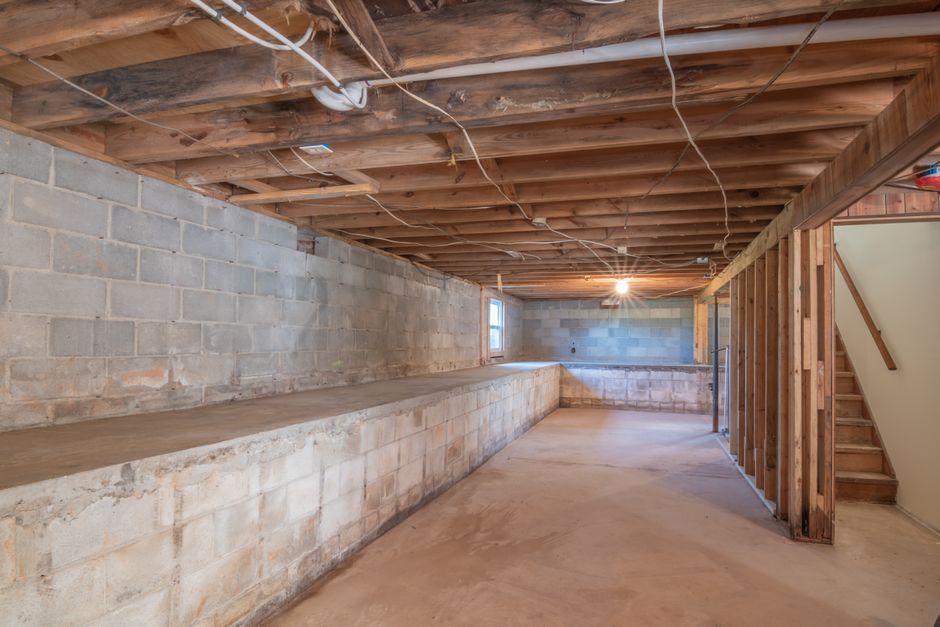
Your foundation is the most critical structural element in your home. When water saturates the soil around a basement or slab, it creates hydrostatic pressure that pushes against concrete walls with hundreds of pounds of force per square foot.
In mid-Michigan communities like Dimondale, Bath, and Bellevue, the clay-heavy soil retains moisture longer than sandy soils. This means hydrostatic pressure builds up faster after heavy rain or snowmelt, accelerating foundation stress.
Concrete is porous. Over time, repeated water infiltration causes spalling, where the surface flakes and crumbles. Rebar inside the concrete begins to rust, expanding and cracking the concrete further from the inside out.
Common signs of foundation water damage include:
- Horizontal cracks along basement walls, which signal serious lateral pressure
- Stair-step cracks in brick or block foundations
- Bowing or leaning basement walls
- Water seeping through the floor-wall joint
- Doors and windows that no longer open or close properly
- Visible white mineral deposits called efflorescence on concrete surfaces
If you notice any of these signs in your Charlotte, Mason, or Holt home, contact a restoration professional immediately. Foundation repairs escalate in cost the longer they are ignored.
See How Water Destroys Wood Framing and Floor Joists
Wood framing is the skeleton of your home. Floor joists, wall studs, roof rafters, and rim boards all depend on staying dry to maintain their load-bearing strength.
When wood stays wet for more than 48 to 72 hours, it begins to absorb moisture beyond its fiber saturation point. At this stage, wood loses significant compressive and tensile strength, and fungal decay can begin within days.
The USDA Forest Service research shows that wood exposed to consistent moisture above 19 percent moisture content will begin to decay. Once decay starts, the affected wood must be removed and replaced, not just dried.
Ameri Pro Restoration technicians frequently find that homeowners in Rockford, Greenville, and St. Johns who delayed calling after a basement flood ended up with compromised floor joists that required full replacement rather than simple drying and remediation.
Water damage structural damage home scenarios involving wood framing typically progress like this:
- Water contacts wood framing during a flood, pipe burst, or roof leak
- Wood absorbs moisture and begins to swell within hours
- Swelling causes fasteners like nails and screws to loosen
- Fungal spores activate when moisture and organic material combine
- Rot softens the wood fibers, reducing load capacity
- Floors become bouncy or spongy and walls may bow or shift
Catching this process at step one or two is the difference between a $1,500 drying job and a $15,000 framing replacement project.
Compare Structural Damage Costs by Water Damage Type
Not all water damage is equal. The source of the water, the affected materials, and the response time all determine how severe the structural damage becomes and what it costs to fix.
| Water Damage Type | Common Structural Risk | Average Repair Cost Range | Response Window |
|---|---|---|---|
| Burst pipe (clean water) | Subfloor rot, drywall damage | $1,000 to $8,000 | 24 to 48 hours |
| Basement flooding | Foundation cracks, joist damage | $5,000 to $30,000 | 12 to 24 hours |
| Roof leak (long-term) | Rafter rot, ceiling collapse risk | $3,000 to $20,000 | Ongoing damage |
| Sewage backup | Subfloor and framing contamination | $7,000 to $40,000 | Immediate |
| Appliance leak (slow) | Subfloor, cabinet, and wall framing | $2,000 to $12,000 | Days to weeks |
These ranges reflect typical mid-Michigan market rates. Homes in older neighborhoods like those found in Battle Creek, Ionia, and Williamston may face higher costs due to aging construction materials and outdated plumbing systems.
Response time is the single biggest cost driver. Every hour you wait allows water to travel further through walls, floors, and structural cavities, multiplying the area that needs professional attention.
Recognize Hidden Structural Damage You Cannot See
Some of the most dangerous water damage structural damage home situations are hidden inside walls, under floors, and above ceilings. You may not see visible water but the damage is actively progressing.
Homeowners in Brighton, Belmont, and Sunfield often call Ameri Pro Restoration after noticing a musty smell or a soft spot in their floor, only to find that a slow leak inside a wall has been rotting framing members for months.
Signs of hidden structural water damage include:
- Persistent musty or earthy odors in specific rooms
- Unexplained increases in humidity or condensation on windows
- Discoloration or bubbling on paint or wallpaper
- Floors that feel soft, spongy, or uneven underfoot
- Ceiling tiles or drywall that shows water staining
- Mold spots appearing on baseboards or in closet corners
- Unexplained cracking in drywall along ceiling-to-wall joints
Professional moisture meters and thermal imaging cameras can detect elevated moisture behind surfaces without tearing open walls unnecessarily. This technology helps pinpoint exactly where structural materials are compromised.
Do not ignore these signs. What starts as a small leak behind a shower wall in a Kentwood or Lake Odessa home can become a full rim joist replacement within one winter season.
Understand How Michigan’s Climate Increases Structural Water Damage Risk
Mid-Michigan’s climate creates specific water damage risks that homeowners in other parts of the country do not face at the same intensity. Understanding these seasonal patterns helps you protect your home proactively.
| Season | Primary Water Damage Risk | Structural Concern | High-Risk Areas |
|---|---|---|---|
| Winter | Frozen and burst pipes | Framing, subfloor, drywall | Hastings, Bellevue, Bedford |
| Spring | Snowmelt and heavy rain flooding | Foundation, basement framing | Bridgewater, Potterville, Dimondale |
| Summer | Severe storms, roof damage | Rafters, ceiling joists | DeWitt, Delta Township, Bath |
| Fall | Clogged gutters, ice dam formation | Fascia boards, attic framing | Rockford, Belmont, Greenville |
The freeze-thaw cycle is especially damaging to foundations. Water enters hairline cracks in concrete, freezes and expands, then thaws and contracts. This repeated cycle widens cracks every winter until they become serious structural vulnerabilities.
Homes near the Grand River in areas like Ionia and Williamston, or near smaller watersheds around Lake Odessa and Hastings, face elevated flood risk during spring snowmelt. Many of these homes are older and may lack modern waterproofing systems.
Michigan building codes require certain moisture barriers and drainage systems in new construction, but homes built before 1990 often lack these protections entirely. If your home is older, a professional inspection after any significant water event is strongly recommended.
Identify Which Structural Materials Are Most Vulnerable to Water Damage
Different building materials react to water exposure in different ways and on different timelines. Knowing which materials in your home are most at risk helps you prioritize inspections and repairs.
OSB, or oriented strand board, is widely used in modern construction for subfloors and wall sheathing. It absorbs water quickly and swells permanently, losing structural integrity faster than traditional plywood. Many homes built in Okemos, Holt, and East Lansing neighborhoods from the 1990s onward use OSB extensively.
Older homes in Charlotte and St. Johns may have solid wood framing that is actually more resistant to moisture than modern engineered lumber, but they also often have older, more deteriorated waterproofing and drainage systems that allow more water in.
Engineered lumber products like LVL beams and I-joists, used in floor systems since the 1980s, can delaminate when exposed to moisture. Once the glue layers fail, these beams lose most of their load capacity and must be replaced.
Drywall, while not a structural material itself, acts as a moisture reservoir and promotes mold growth on the wood framing behind it. Mold-damaged framing is weakened framing. Removing and replacing drywall quickly after water exposure is not just a cosmetic fix, it is a structural protection step.
FAQs on Water Damage Structural Damage Home
How quickly does water damage become structural damage?
Wood framing can begin losing structural integrity within 48 to 72 hours of water exposure. Foundation materials can show accelerated cracking and spalling within weeks of repeated moisture exposure. The faster you extract water and begin drying, the less likely you are to face true structural repairs.
Can I fix water damage structural damage myself?
Surface drying with fans and dehumidifiers can help with minor incidents, but structural damage requires professional assessment. Replacing floor joists, repairing foundation cracks, or addressing framing rot involves permits, engineering knowledge, and specialized equipment that most homeowners do not have access to.
How do I know if my floor joists are damaged from water?
Walk slowly across your floors and feel for soft, spongy, or bouncy spots, especially near bathrooms, kitchens, or basement access points. Visible sagging, squeaking that was not there before, or gaps forming between the floor and baseboard are all warning signs. A professional inspection with moisture meters confirms damage hidden inside the floor assembly.
Does homeowners insurance cover water damage structural damage home repairs?
Standard homeowners insurance typically covers sudden and accidental water damage, like a burst pipe, but not gradual leaks or flooding from outside. Flood damage requires a separate NFIP or private flood insurance policy. Always document damage thoroughly and call your insurer immediately after discovering water damage.
How much does it cost to repair structural water damage in Michigan?
Costs vary widely based on the extent of damage, materials affected, and how long water was present. Minor subfloor repairs might run $1,000 to $3,000, while full foundation stabilization or framing replacement can reach $20,000 to $50,000 or more. Getting a professional assessment quickly prevents costs from escalating.
What is the most dangerous type of structural water damage?
Foundation damage is generally the most serious because it affects the entire structure above it. However, compromised load-bearing walls or floor joists under heavy loads, like a bathroom with tile or a kitchen with heavy cabinets, can create immediate collapse risks. Any suspected structural damage should be evaluated by a professional before you continue using that area of your home.
Wrap Up and Next Steps
Water damage structural damage home situations are almost always preventable or, at minimum, containable when you act fast. The key takeaway is that every hour of delay increases the cost and complexity of repairs, especially in mid-Michigan’s challenging climate.
Ameri Pro Restoration has helped homeowners across Lansing, Ionia, Battle Creek, Brighton, and dozens of other local communities stop water damage before it becomes a structural crisis. Our team uses professional-grade moisture detection, extraction, and drying equipment to protect your home’s framing, foundation, and finishes.
Do not wait to see if the problem dries on its own. Call Ameri Pro Restoration at (517) 622-3377 today to schedule an inspection or request an emergency response. The sooner you call, the more of your home we can save.