
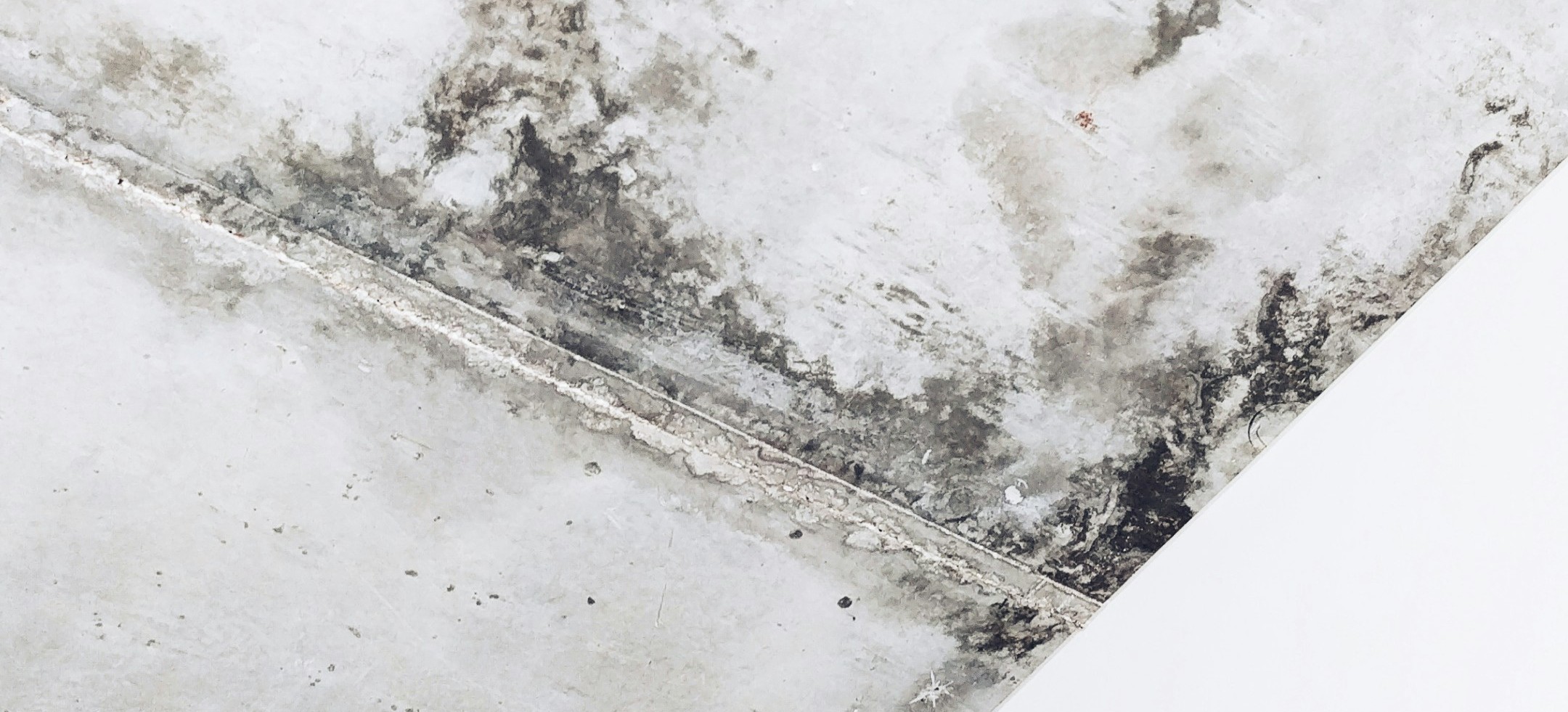
Mold can begin growing in as little as 24 to 48 hours after moisture enters your home, and it often spreads for weeks before anyone notices. The most common signs of mold in your home include musty odors, visible dark spots, water stains, and unexplained allergy symptoms. This article covers every major warning sign, where mold hides most often, and what local homeowners in Lansing, East Lansing, Okemos, Haslett, and surrounding mid-Michigan communities should watch for.
Recognize the Most Common Signs of Mold in Your Home
Mold does not always announce itself with a giant black patch on the wall. Many signs are subtle, especially in the early stages. Knowing what to look for can save you thousands in remediation costs down the road.
- Musty or earthy odor: A persistent musty smell is one of the earliest signs of mold, even when you cannot see it. If a room smells like a damp basement, trust that instinct.
- Visible discoloration: Mold appears as black, green, white, gray, or even orange spots on walls, ceilings, grout, or wood surfaces.
- Peeling or bubbling paint: Moisture trapped behind walls causes paint to peel or bubble. Mold is often growing underneath.
- Water stains or warping: Yellow or brown stains on ceilings or walls point to past or ongoing moisture, which is a primary condition mold needs to thrive.
- Warped flooring: Wood floors that buckle, warp, or feel soft underfoot may have mold growing beneath the surface.
- Condensation on windows: Frequent condensation signals high indoor humidity, which encourages mold growth throughout the home.
- Rust on pipes or fixtures: Rust near plumbing often means there is consistent moisture in that area, making it a likely mold zone.
If you spot two or more of these signs together, the risk of active mold growth is high. Do not wait to investigate further.
Identify Where Mold Hides Most Often in Midwest Homes
Mid-Michigan homes in cities like Charlotte, DeWitt, Dimondale, Bath, and Sunfield deal with cold winters and humid summers. That seasonal humidity and freeze-thaw cycle creates ideal conditions for moisture intrusion and mold growth.
Mold favors dark, damp, poorly ventilated spaces. Here are the spots you should inspect first:
- Basements and crawl spaces: These areas sit closest to groundwater and are prone to flooding during Michigan’s spring thaw. Mold often grows on concrete block walls, floor joists, and stored belongings.
- Bathrooms: Grout lines, caulk around tubs, under-sink cabinets, and exhaust fan housing are frequent mold locations.
- Attics: Poor ventilation and roof leaks send moisture into attic insulation and decking. Mold here can go undetected for years.
- Behind drywall: A slow pipe leak inside a wall can feed mold for months without any visible sign on the surface.
- HVAC systems: Mold inside ductwork spreads spores every time the system runs, affecting air quality throughout the entire home.
- Under kitchen sinks: Slow drips under the sink create consistent moisture in a dark cabinet, which is a perfect breeding ground for mold.
- Around windows and doors: Condensation and air leaks in older homes, common in areas like Bellevue, Bridgewater, and Lake Odessa, allow moisture to collect in window frames and door casings.
Understand Health Symptoms Linked to Mold Exposure
Your body may signal a mold problem before your eyes do. Mold spores travel through the air and affect the respiratory system, skin, and eyes. Health symptoms are especially common in homes with hidden mold growth behind walls or inside HVAC systems.
| Symptom | Possible Connection to Mold | Who Is Most at Risk |
|---|---|---|
| Chronic sneezing or runny nose | Allergic reaction to airborne mold spores | Allergy or asthma sufferers |
| Persistent cough or wheezing | Respiratory irritation from spore inhalation | Children, elderly, immunocompromised |
| Eye irritation or redness | Spores contacting mucous membranes | Anyone exposed regularly |
| Skin rashes | Direct contact with mold surfaces | People handling contaminated materials |
| Headaches or fatigue | Mycotoxins released by certain mold types | Anyone in heavily affected spaces |
| Worsening asthma symptoms | Mold is a known asthma trigger | Asthma patients of all ages |
If your symptoms improve when you leave the house and return when you come home, that pattern is a strong indicator of indoor mold. Report this pattern to your doctor and contact a restoration professional right away.
Ameri Pro Restoration has worked with families across Holt, Belmont, Greenville, and Brighton who first noticed mold because of recurring health complaints that cleared up after remediation.
Compare Mold Types Commonly Found in Michigan Homes
Not all mold looks the same, and different species thrive in different conditions. Knowing what type you are dealing with helps set expectations for testing and removal. The table below outlines the most common mold types found in Michigan homes.
| Mold Type | Appearance | Common Location | Health Risk Level |
|---|---|---|---|
| Cladosporium | Olive green or brown | Fabrics, wood, HVAC ducts | Low to moderate |
| Penicillium | Blue or green with powdery texture | Water-damaged insulation, wallpaper | Moderate |
| Aspergillus | Yellow, green, or black | Drywall, dust, attics | Moderate to high |
| Stachybotrys (Black Mold) | Dark black or greenish-black | Chronically wet drywall, wood | High |
| Alternaria | Dark green or brown with velvet texture | Showers, sinks, window frames | Moderate |
Black mold, formally known as Stachybotrys chartarum, gets the most attention because of its association with serious health effects. It requires consistent, prolonged moisture to grow, which is why it appears most often after long-term leaks or flooding events.
If you suspect black mold in your home, do not disturb it. Disturbing mold releases spores into the air and can spread the contamination to other areas of your house.
Know When a Musty Smell Means More Than Just Dampness
A musty smell is one of the earliest and most reliable signs of mold in your home. The odor comes from microbial volatile organic compounds (MVOCs) that mold releases as it grows. This smell is often described as earthy, stale, or similar to wet cardboard.
Here is how to tell the difference between general dampness and active mold growth by smell alone:
- The smell is strongest in one specific room or area, not throughout the whole house.
- The odor persists even after airing out the space or running a dehumidifier.
- The smell gets worse after rain or during humid summer months in Michigan.
- You notice it more after the HVAC system turns on, which suggests mold inside the ducts.
- The smell is present inside closets, cabinets, or behind furniture pushed against exterior walls.
Homes in areas like Williamston, Mason, St. Johns, and Potterville that sit near wetlands or low-lying land are especially prone to crawl space moisture and the musty odors that follow. A professional inspection is the only reliable way to confirm what your nose is detecting.
Spot Post-Flood and Post-Leak Mold Risk in Local Homes
Any home that has experienced water damage is at elevated risk for mold growth. This includes homes that have had basement flooding, burst pipes, roof leaks, appliance failures, or sewage backups. Mold can begin colonizing porous materials like drywall, insulation, and wood framing within one to two days of water exposure.
Homeowners in Rockford, Bedford, Kentwood, and Battle Creek who dealt with flooding from the Grand River or Kalamazoo River tributaries should be especially vigilant. Even if the water appeared to dry out quickly, moisture trapped inside walls and under floors feeds mold for weeks.
Warning signs that mold is developing after a water damage event include:
- Discoloration appearing on drywall within a week of the water event
- A new musty smell developing 3 to 7 days after the water is removed
- Soft or spongy spots developing in drywall or flooring
- Visible mold spots appearing at the base of walls near the flood line
- Allergy or respiratory symptoms developing in household members
Ameri Pro Restoration responds to water damage calls throughout mid-Michigan and begins drying and mold prevention protocols immediately. Fast action in the first 24 to 48 hours dramatically reduces the risk of mold taking hold after a water event.
FAQs on Signs of Mold in Your Home
Can mold grow inside walls where I cannot see it?
Yes, mold commonly grows inside wall cavities after pipe leaks, roof leaks, or flooding. You may notice a musty smell, peeling paint, soft drywall, or unexplained allergy symptoms without seeing any visible mold. A professional inspection using moisture meters can detect hidden mold growth.
How do I know if a black spot is mold or just dirt?
Mold typically has a fuzzy or powdery texture and may spread over time. Dirt and soot tend to be flat and do not expand. If you wipe the spot and it reappears within days, it is almost certainly mold. A surface mold test kit from a hardware store can provide a quick confirmation.
Is a little bit of mold in the bathroom dangerous?
Small amounts of surface mold in bathroom grout or caulk are common and can often be cleaned with appropriate products. However, if the mold returns quickly or spreads to the drywall or ceiling, that suggests a moisture problem that needs to be addressed professionally. Ignoring it allows the mold to spread to larger areas.
How fast can mold spread after a water leak?
Mold can begin growing within 24 to 48 hours of a water leak on porous materials like drywall, wood, and insulation. Within one to two weeks, it can spread significantly and become much more expensive to remediate. Fast drying and water removal within the first day is the most effective prevention strategy.
Should I test for mold before calling a restoration company?
Basic DIY test kits are available at hardware stores and can indicate the presence of mold spores, but they do not tell you the type of mold, the extent of growth, or the moisture source. Calling a restoration company like Ameri Pro Restoration for a professional inspection gives you far more accurate and actionable information.
Does homeowners insurance cover mold removal in Michigan?
Coverage depends on the cause of the mold. If mold resulted from a sudden and accidental water event like a burst pipe, many policies cover remediation. If mold developed due to ongoing neglect or a slow leak over time, coverage is often denied. Review your policy carefully and document all water damage events promptly.
Wrap Up and Next Steps
The signs of mold in your home range from obvious visual patches to subtle clues like persistent odors, health symptoms, and moisture damage. Catching mold early protects your family’s health and prevents minor problems from turning into major structural repairs costing thousands of dollars.
If you have noticed any of the warning signs covered in this article, do not wait to take action. Ameri Pro Restoration serves homeowners throughout Lansing and surrounding communities including Ionia, Okemos, Brighton, Holt, Charlotte, Greenville, and dozens more mid-Michigan cities.
Call Ameri Pro Restoration today at (517) 622-3377 to schedule a mold inspection. Our team will assess your home, identify the moisture source, and walk you through your options for safe and thorough remediation.