
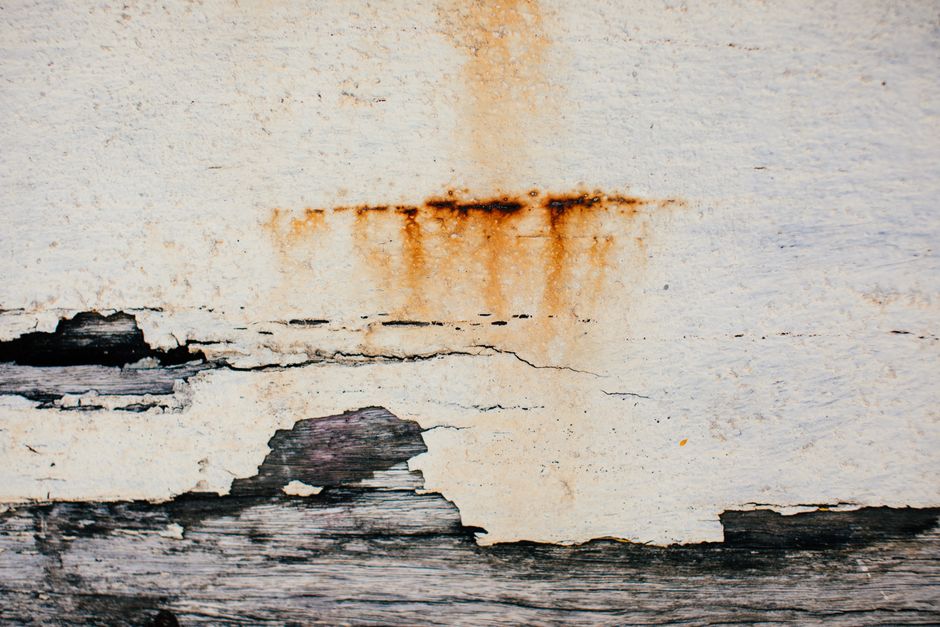
There are at least 10 common signs of water damage in your home that homeowners should never overlook, ranging from discolored ceilings and warped floors to musty odors and unexplained spikes in your water bill. Catching these warning signs early can mean the difference between a $500 repair and a $15,000 restoration project.
This post breaks down each major sign, explains why it happens, and tells you what to do next. Homeowners across Lansing, East Lansing, Holt, Okemos, Haslett, DeWitt, and surrounding Mid-Michigan communities face unique challenges with aging pipe systems and heavy seasonal rain, making this knowledge especially important.
Recognize the Most Visible Signs of Water Damage in Your Home
Some signs of water damage in your home are easy to spot if you know what to look for. Visible clues are your first line of defense and should never be brushed off as cosmetic problems.
- Yellow or brown ceiling stains: These appear when water pools above drywall. They often indicate a slow roof leak or a leaking pipe in the floor above.
- Bubbling or peeling paint: Moisture trapped behind walls causes paint to bubble, crack, or peel away from the surface.
- Warped or buckled flooring: Hardwood and laminate floors absorb moisture and begin to warp, cup, or buckle when exposed to water over time.
- Sagging ceilings or walls: This is a serious sign. A sagging ceiling means water has been collecting above it and the structural material is compromised.
- Water rings on walls: Faint circular stains on walls near baseboards or around windows often indicate past or ongoing moisture intrusion.
If you notice any of these in your home, do not wait. These signs rarely get better on their own. Call a professional restoration team like Ameri Pro Restoration to assess the extent of the damage before mold sets in.
Understand Why Musty Odors Are a Red Flag
A musty smell in your home is one of the most reliable signs of water damage, even when you cannot see any visible moisture. Mold and mildew begin growing within 24 to 48 hours of water exposure, and that damp, earthy odor is often the first clue.
The smell tends to be strongest in basements, crawl spaces, bathrooms, and areas near HVAC systems. In older homes common in Bath, Bellevue, Sunfield, and rural Ionia County, crawl spaces are especially vulnerable to ground moisture seeping in during spring thaw and heavy rain seasons.
Do not mask the odor with air fresheners. That only delays the problem. Instead, identify the moisture source. Check for standing water, damp insulation, or wet framing. A professional moisture assessment can locate hidden water that your nose is detecting but your eyes cannot find.
Compare Common Signs of Water Damage by Location in the Home
Water damage shows up differently depending on where it occurs in your home. The table below helps you match symptoms to their most likely location and cause, so you can communicate clearly with a restoration professional.
| Location | Common Signs | Likely Cause | Urgency Level |
|---|---|---|---|
| Basement | Efflorescence, standing water, mold on walls | Foundation seepage, sump pump failure | High |
| Bathroom | Soft subfloor, caulk gaps, discolored grout | Toilet or shower leak, failed caulking | Medium to High |
| Kitchen | Swollen cabinet bases, odor under sink | Supply line or drain leak | Medium |
| Attic | Dark staining on rafters, wet insulation | Roof leak, poor ventilation | High |
| Crawl Space | Standing water, sagging insulation, mold | Ground moisture, pipe leak | High |
| Living Areas | Warped floors, stained walls, peeling paint | Pipe leak behind walls, roof damage | Medium to High |
Use this table as a quick reference when inspecting your home after a storm, a pipe issue, or any unexplained moisture event. The sooner you identify the location, the faster a restoration team can respond.
Spot Hidden Signs of Water Damage Behind Walls and Under Floors
Not all water damage is visible. Some of the most destructive damage happens inside wall cavities and under flooring where you cannot see it. These hidden signs of water damage in your home require closer attention and sometimes professional equipment to detect.
- Soft spots in floors: If a section of your floor feels spongy or soft underfoot, the subfloor beneath it may be saturated with moisture.
- Hollow sounds in walls: Tap along your drywall. If sections sound hollow where they did not before, moisture may have degraded the material behind it.
- Rust stains near plumbing fixtures: Rust streaks around pipe access points often indicate slow leaks that have been present for months.
- Unexplained mold patches: Mold growing in unusual places like behind furniture or inside closets often traces back to a hidden moisture source.
- Doors or windows that stick: Wood frames absorb moisture and swell, causing doors and windows to fit poorly. This is a subtle but reliable sign.
Ameri Pro Restoration uses thermal imaging and moisture meters to find water damage that is invisible to the naked eye. This technology is especially valuable in older homes throughout Charlotte, Dimondale, Lake Odessa, and Belmont where pipe systems may be decades old.
Review the Financial Cost of Ignoring Water Damage Signs
Ignoring signs of water damage in your home does not make the problem go away. It makes it more expensive. Here is a realistic cost breakdown of what happens when water damage is caught early versus when it is left to worsen.
| Scenario | Caught Early | Ignored for Weeks or Months |
|---|---|---|
| Minor ceiling stain from roof leak | $300 to $800 repair | $3,000 to $8,000 with mold and structural repair |
| Bathroom subfloor moisture | $500 to $1,200 | $4,000 to $12,000 with subfloor and joist replacement |
| Basement seepage | $800 to $2,500 | $10,000 or more with mold remediation and waterproofing |
| Pipe leak behind wall | $400 to $1,500 | $5,000 to $15,000 with drywall, insulation, and mold removal |
The numbers are clear. Early action is always cheaper. Michigan homeowners in areas like Rockford, Greenville, Brighton, and Williamston often deal with basement flooding after spring snowmelt, which makes proactive inspection a smart seasonal habit every year.
Identify Outdoor and Structural Signs That Lead to Interior Water Damage
Water damage inside your home almost always starts outside. Recognizing exterior warning signs can help you prevent interior damage before it ever starts. This is especially true in Mid-Michigan where freeze-thaw cycles, heavy rain events, and flat lot drainage are common issues.
- Clogged or damaged gutters: When gutters overflow, water runs down your siding and pools at the foundation instead of draining away from the home.
- Negative grading: If the soil around your home slopes toward the foundation rather than away from it, rainwater funnels directly into your basement or crawl space.
- Cracked foundation walls: Horizontal or stair-step cracks in your foundation allow groundwater to seep in, especially during wet seasons in Mason, St Johns, and Potterville.
- Missing or damaged roof shingles: Even a few missing shingles can allow water to penetrate your attic during heavy rain or ice dam events common in Michigan winters.
- Downspout discharge near the foundation: Downspouts that empty too close to the home push large volumes of water directly against the foundation.
Walk around your home after a heavy rain and look for pooling water, wet siding, or saturated soil near the foundation. These outdoor observations can save you from a very expensive interior water damage situation.
FAQs on Signs of Water Damage in Your Home
How do I know if I have water damage behind my walls?
Look for soft drywall, bubbling paint, musty odors, or visible mold near baseboards. A professional can use thermal imaging cameras and moisture meters to detect hidden water that you cannot see or feel. Ameri Pro Restoration offers moisture assessments for homeowners across Mid-Michigan.
Can water damage appear weeks after the original leak?
Yes. Many homeowners discover water damage long after the original source has dried. Mold, staining, warped floors, and structural weakening can appear days or weeks later. This is why any known water event should be inspected professionally right away rather than waiting to see if damage appears.
What does efflorescence on my basement wall mean?
Efflorescence is a white, chalky residue left behind when water moves through concrete and evaporates on the surface. It is a sign that water is actively moving through your foundation walls. While efflorescence itself is not harmful, it indicates moisture intrusion that can lead to serious structural and mold issues over time.
Is a small ceiling stain a big deal?
Even a small stain can indicate an ongoing leak that is slowly saturating insulation, drywall, and framing above the ceiling. A stain that dries out and reappears after rain confirms an active roof leak. Do not assume the stain is old or harmless without having it inspected by a professional.
How quickly does mold grow after water damage?
Mold can begin growing within 24 to 48 hours of a water event if conditions are right. Warm temperatures and organic materials like drywall and wood create ideal mold growing conditions. Acting within the first 24 hours dramatically reduces your risk of a mold problem developing alongside your water damage.
Does homeowner insurance cover water damage?
Most standard homeowner policies cover sudden and accidental water damage, such as a burst pipe or appliance failure. Gradual leaks, flood damage, and sewer backups are often excluded or require separate riders. Contact your insurance provider and document all damage thoroughly before any restoration work begins.
Wrap Up and Next Steps
The signs of water damage in your home range from obvious staining and musty smells to subtle soft floors and sticking doors. Catching them early is the single most effective way to protect your home and your wallet from escalating repair costs.
Ameri Pro Restoration serves homeowners throughout Lansing, East Lansing, Okemos, Holt, Charlotte, Brighton, Battle Creek, Kentwood, Belmont, Rockford, Greenville, and every community in between. Our team responds fast, locates hidden moisture, and gets your home back to safe condition.
If you have spotted any of these warning signs, do not wait. Call Ameri Pro Restoration today at (517) 622-3377 to schedule an inspection and get expert help before small damage becomes a major problem.